During pregnancy it is not uncommon for women to develop a Diastasis Recti or a separation of the stomach muscles. This can cause the abdomen to look softer and may lead to back or even abdominal pain. Traditional crunches or sit ups create more separation to this area. Women often kick into overdrive to get their bodies back into shape after delivery by doing repetitive crunches or sit ups. If correct exercise and abdominal bracing are not used, “mommy tummy” may be prolonged rather than corrected.

Your doctor or physical therapist can check to see if diastasis recti is present. The more abdominal strength women have prior to pregnancy, the less likely they are to develop the separation. It is more prevalent in women that gain more than 30 pounds during pregnancy and women that are pregnant with multiples.
Treatment for Diastasis Recti requires the use of an abdominal splint to pull the muscles together. I like and recommend to my patients the Diastasis Rehab Splint. A towel can also be used during exercise to pull the stomach muscles together.


It should be used at all times during the day especially during exercise. Limiting rotation of the trunk while you are treating the diastasis is important. Side crunches should not be performed until the diastasis is closed.
The following exercises are beneficial for reclaiming a strong core while allowing the stomach muscles to close and reattach.
Pelvic Tilts 
Rotate your pelvis so that the small of your back flattens out on the surface where you are laying
Alternate arm and leg in quadruped 
The hips should remain in the same position when the arms and legs are alternating. Keep your stomach tight to maintain this stability.
Plank Front 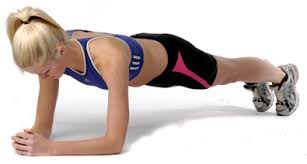
Squeeze you stomach and glutes to ensure your body remains parallel to the ground
Plank Side 
Make sure your hip does not sink towards the ground
